
France has always been rather good at selling itself. It has had centuries of practice. Kings built palaces, painters found the light irresistible, chefs turned lunch into an act of national identity and somewhere along the line Provence became the place where the rest of us decided life ought to be lived.
You arrive expecting lavender and leave wondering why your own life contains so few village squares and such an alarming shortage of cafés.
Bertl123 shutterstock

The journey begins in Aix-en-Provence, a city that wears its elegance as casually as an old linen jacket. Fountains appear with almost theatrical regularity, shaded boulevards encourage dawdling and every café seems occupied by people who have somehow mastered the art of looking busy while doing absolutely nothing. It is civilisation distilled into coffee, conversation and impeccable timing.
The markets provide a sensory ambush. Herbs whose names you've forgotten since school, tomatoes that still taste as though they have met sunshine, cheeses of alarming fragrance and fruit so perfectly ripe it appears to have been arranged by an overenthusiastic film director. Nobody hurries because nobody needs to.
LiliGraphie shutterstock

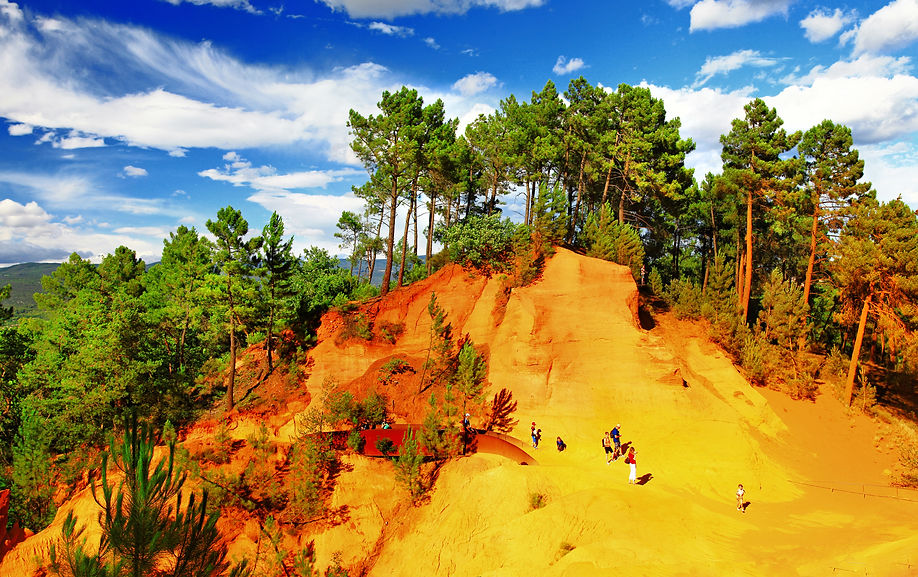
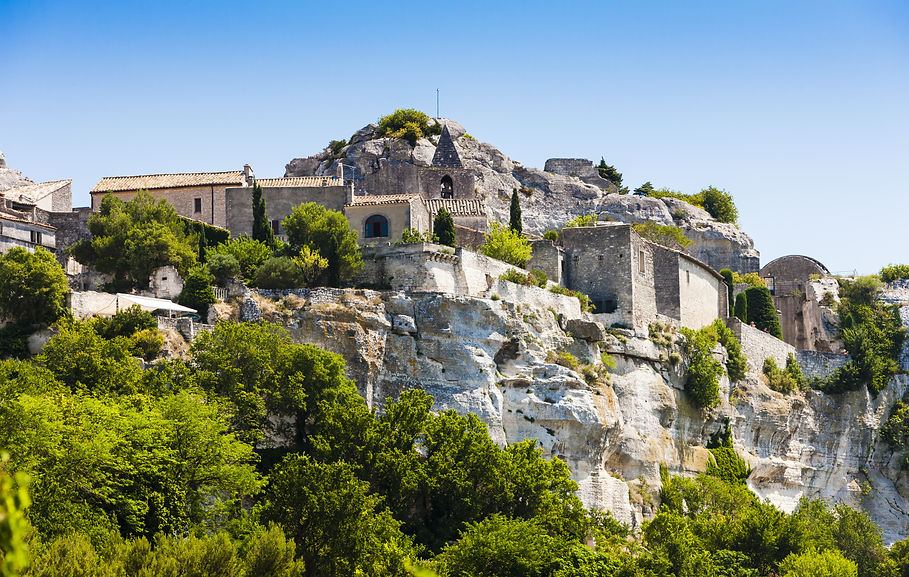
North lies the Luberon, where villages cling to rocky outcrops with the quiet confidence of places that have watched empires come and go without seeing any reason to move. Gordes rises from the hillside like a carefully balanced sculpture of honey-coloured stone, while nearby Roussillon glows in deep ochres, as though the earth itself had decided beige was never going to be enough.
The roads linking them are almost absurdly attractive. Vineyards march across gentle slopes. Olive groves shimmer in the heat. Cypress trees stand to attention like silent sentries. Every few miles another village appears, each convinced it has perfected the art of contentment.
Then there is the lavender. During early summer it performs exactly as advertised, rolling across the landscape in impossibly vivid purple ribbons beneath skies that seem to have been polished overnight. You suspect reality has quietly handed responsibility to the tourism board, until the scent drifting through the warm air reminds you that no photographer could invent something quite so convincing.
Freesurf shutterstock
Avignon changes the mood. History suddenly grows taller. The vast Palais des Papes dominates the skyline with all the subtlety of medieval authority, yet beneath its shadow cafés chatter, markets bustle and children chase pigeons through ancient squares. The famous bridge reaches only halfway across the Rhône, perhaps proving that not every great idea requires a successful ending to become unforgettable.
Heading south, the landscape loosens its collar. The scent of lavender gives way to pine, then salt, and before long the Mediterranean flashes between the trees like a secret refusing to stay hidden.
Marseille arrives with noise, colour and confidence. France's oldest city has little interest in posing for postcards. Fishing boats unload beside luxury yachts, ferries come and go with practised efficiency and conversations seem permanently conducted at a volume that suggests every opinion matters. It feels gloriously alive.
Nearby Cassis offers a complete change of tempo. Pastel façades gather around a small harbour where cafés spill onto the waterfront and boats rock gently against their moorings. Beyond the town, the limestone cliffs of the Calanques plunge dramatically into water so brilliantly turquoise that it almost appears illuminated from beneath.
Richard Semik shutterstock
By the time the Côte d'Azur unfolds, you realise glamour is only half the story.
Saint-Tropez still remembers being a fishing village. Wander beyond the harbour and the boutiques surrender to quiet lanes, shaded squares and old men still intent on a game of pétanque that probably began sometime around the previous century.
Cannes, despite its cinematic reputation, proves surprisingly approachable. Away from the red carpets, the old quarter climbs gently above the bay, revealing winding streets, family restaurants and views that make lingering irresistible.
Antibes quietly steals the honours. Ancient ramparts embrace a bustling old town where flower markets, galleries and cafés coexist without fuss, while beyond them one of Europe's great marinas sparkles with improbable wealth.
Finally comes Nice. The Promenade des Anglais curves elegantly beside the sea, but the city's real charm hides within the old streets behind it. Laundry flutters overhead, market traders shout cheerful greetings and every turning seems to reveal another café where time appears willing to wait.
akphotoc shutterstock
For groups, the route is wonderfully straightforward. Begin in Aix-en-Provence, wander the villages of the Luberon, absorb the history of Avignon, continue through Marseille and Cassis before following the Riviera through Saint-Tropez, Cannes, Antibes and finally Nice. It is an itinerary that never feels forced because every destination naturally introduces the next.
What lingers longest, though, isn't the scenery, remarkable as it is. It's the rhythm. Morning markets. Long lunches. The clink of glasses beneath plane trees. Fishing boats returning at dusk. Church bells drifting across warm evening air. Provence and the Côte d'Azur possess that increasingly rare quality of making visitors slow down without ever telling them to.
Perhaps that is their greatest achievement. Long after the photographs have been filed away, what remains isn't simply a memory of France. It's the unsettling suspicion that the French may have understood something about living well all along.
